
Nohutlu bulgur pilavı: bulgur pilaf with chickpeas, step by step
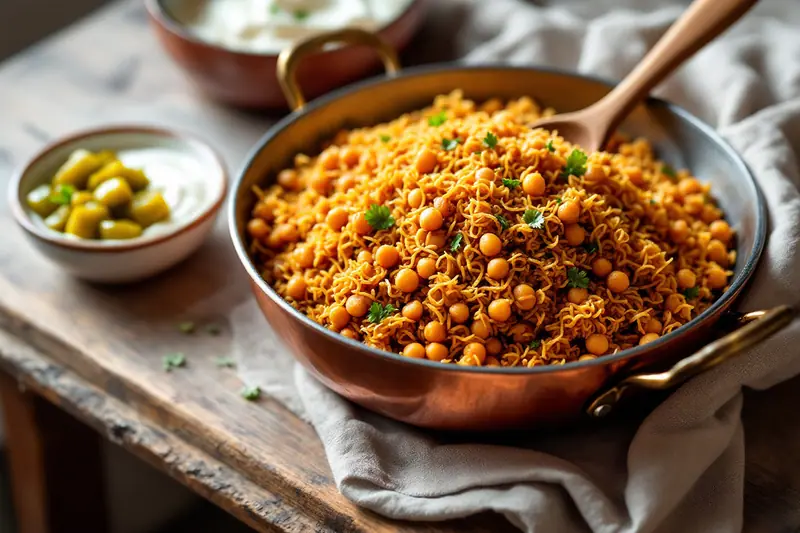
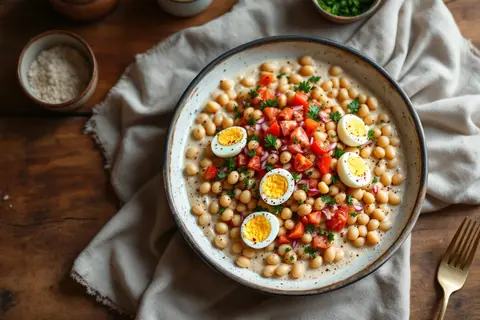
If I had to choose one dish to cook every week for the rest of my life, it would be this one. Nohutlu bulgur pilavı is bulgur pilaf with chickpeas: coarse bulgur cooked in butter with onion, pepper and a spoonful of paste, with chickpeas folded through so that every forkful has something soft against the chewy grain. In Kayseri it was on our table at least twice a week, sometimes as the main dish with yogurt and salad, sometimes beside a stew.
It is cheap, it is quick once you have chickpeas ready, and it keeps well. It is also one of those dishes that is easy to make well and also easy to make badly. The difference between a pot of separate, fluffy grains and a sticky lump comes down to a few habits, so this page is built around the questions I am most often asked about it.
Which bulgur do you need?
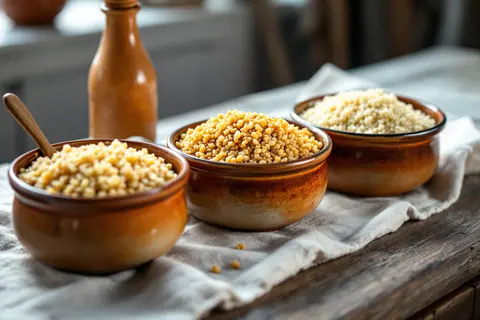
Coarse bulgur, the kind sold as pilavlık (for pilaf). The grains are about the size of rice grains broken in half. Fine bulgur is for kısır and köfte; it turns to porridge if you try to make pilaf from it. Some shops sell an extra-coarse, almost whole-grain bulgur, which also works but needs 5 more minutes and a little more water.
Rinse the bulgur once in a sieve under the cold tap and let it drain while you cook the onions. This removes dust and loose bran, which otherwise make the pilaf slightly gluey. You do not need to soak it.
Home-cooked or tinned chickpeas?
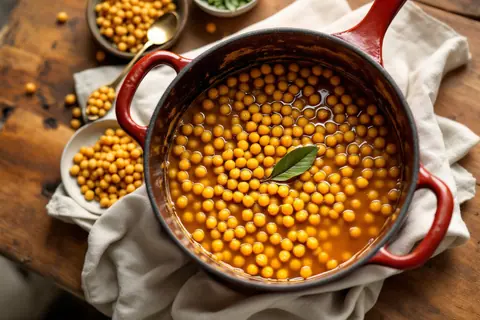
Both work. Home-cooked chickpeas have more flavour and better texture, and they cost a fraction of the price, which matters in a dish you make often. My habit is to cook a whole 500 g bag of dried chickpeas on a Sunday. That gives about seven cups of cooked chickpeas. One cup goes into this pilaf, two go into a stew such as etli nohut, and the rest go into the freezer in one-cup bags with a spoonful of their cooking water. The method I use is in the guide to cooking dried chickpeas.
If you use tinned, drain and rinse them well. A 400 g tin gives about one and a half cups drained, which is a little more than this recipe needs; the extra will not hurt.
Why fry the paste?
Red pepper paste (biber salçası) and a little tomato paste give the pilaf its colour and depth. Raw paste stirred into water tastes sour and flat. Fried for a minute or two in the butter and onions, it turns darker, sweeter and rounder. Watch it carefully: it should darken by a shade, not brown. Burnt paste makes the whole pot bitter.
How much water?
The ratio for coarse bulgur is two cups of liquid to every cup of bulgur, measured by volume in the same cup. Use hot water or stock, never cold, so the pot comes back to the boil quickly. Chicken stock gives a richer pilaf; water gives a cleaner one that lets the butter and pepper paste speak. I use water most days and stock when I have it.
If you add şehriye (vermicelli), add an extra third of a cup of water for every third of a cup of şehriye.
What does the tea towel do?
Once the bulgur has absorbed the water, you turn off the heat, lay a clean tea towel over the pan and put the lid back on. The towel absorbs the steam that would otherwise drip back from the lid onto the grains. After 15 minutes, the grains have firmed up and separated. Skip this step and the pilaf is still edible, but softer and wetter on top. There is more about this, and about bulgur in general, in how to cook bulgur.
The şehriye option
In many Turkish homes, bulgur pilaf starts with a handful of tel şehriye, thin vermicelli broken into short pieces and fried in the butter until golden brown before anything else goes in. It adds a toasty flavour and little bits of soft pasta among the grains. My mother added it when she wanted the pilaf to feel a little more special, and left it out on ordinary days. Both are right.
Fry the şehriye over medium heat and keep stirring: it goes from pale to golden to burnt in less than a minute at the end. You want the colour of a digestive biscuit.
Recipe
Nohutlu bulgur pilavı (bulgur pilaf with chickpeas)
Serves 6 as a side, 4 as a main with yogurt and salad
- Prep
- 10 min
- Cook
- 30 min
- Rest
- 15 min
- Total
- 55 min
Pilaf
- 1 1/2 cups255 g coarse bulgur (pilavlık)
- 2 tbsp30 g butter
- 2 tbsp30 ml sunflower oil
- 1/3 cup35 g tel şehriye (thin vermicelli), broken into short pieces, optional
- 1 medium1 medium onion, finely chopped
- 11 long green pepper, deseeded and diced
- 1 tbsp15 g Turkish red pepper paste (biber salçası)
- 1 tsp5 g tomato paste
- 1 cup160 g cooked chickpeas, drained
- 1 tsp1 tsp salt (less if using salted stock)
- 1/2 tsp1/2 tsp black pepper
- 3 cups720 ml hot water or stock, plus 1/3 cup (80 ml) more if using şehriye
Method
- Rinse the bulgur once in a sieve under cold water and leave it to drain.
- Melt the butter with the oil in a heavy pan over medium heat; if using şehriye, fry it for 2 to 3 minutes, stirring all the time, until golden brown.
- Add the onion and cook for 5 minutes until soft, then add the green pepper and cook for 3 minutes more.
- Stir in the pepper paste and tomato paste and fry for 1 to 2 minutes until they darken by a shade and smell sweet.
- Add the drained bulgur and stir for 2 minutes so every grain is coated and red.
- Add the chickpeas, salt, black pepper and hot water or stock, stir once and bring to the boil.
- Cover, turn the heat to the lowest setting and cook for 15 minutes, until the liquid has gone and small steam holes show on the surface.
- Turn off the heat, lay a clean tea towel over the pan, put the lid back on and rest for 15 minutes.
- Fluff the pilaf with a fork, lifting from the bottom, and serve warm.
Cook's notes
- If the bulgur is still firm after 15 minutes, sprinkle over 2 to 3 tablespoons of hot water, cover and give it 5 minutes more.
- Leftover pilaf keeps three days in the fridge; reheat in a covered pan with a splash of water.
Feeding a crowd
This pilaf is ideal for a family gathering because it costs little and holds its warmth. To serve 18 people as a side, triple everything except the liquid. Tripling three cups of water gives nine cups, but a big pot loses less steam than a small one, so use about 8 1/2 cups (2 litres). The working looks like this:
| Serves | Coarse bulgur | Cooked chickpeas | Hot water or stock | Cook covered |
|---|---|---|---|---|
| 6 | 1 1/2 cups (255 g) | 1 cup (160 g) | 3 cups (720 ml) | 15 min |
| 12 | 3 cups (510 g) | 2 cups (320 g) | 5 3/4 cups (1.4 litres) | 18 min |
| 18 | 4 1/2 cups (765 g) | 3 cups (480 g) | 8 1/2 cups (2 litres) | 20 min |
Use the widest pan you own, so the bulgur is not packed too deep, and use two medium onions per triple batch rather than three large ones.
Cook's questions
Can I make it without butter?
Yes. Use 4 tablespoons of olive or sunflower oil in total. The pilaf will taste lighter, and it becomes a good vegan dish.
My pilaf is mushy. What went wrong?
Too much water, fine bulgur instead of coarse, or stirring during cooking. Measure carefully, use pilavlık bulgur, and do not lift the lid or stir until the rest is over.
Can I add other vegetables?
Diced tomato, a little carrot or a handful of peas all work. Add tomato with the paste, carrot with the onion, and peas with the water.
What to serve with it
On its own, with a bowl of plain yogurt and a salad of tomato, cucumber and onion, this is a full and filling supper. It is also the traditional partner for bean and meat stews; spoon the stew over the pilaf in a shallow bowl. Add a dish of turşu, the sharp pickles that sit on every Kayseri table in winter, and you will not need anything else.
Filed under Grains & Pulses

Nuray comes from Kayseri and now lives in Frankfurt. She writes about soups, beans, lentils and slow winter stews, with an eye on what a pantry can stretch to across a busy week.