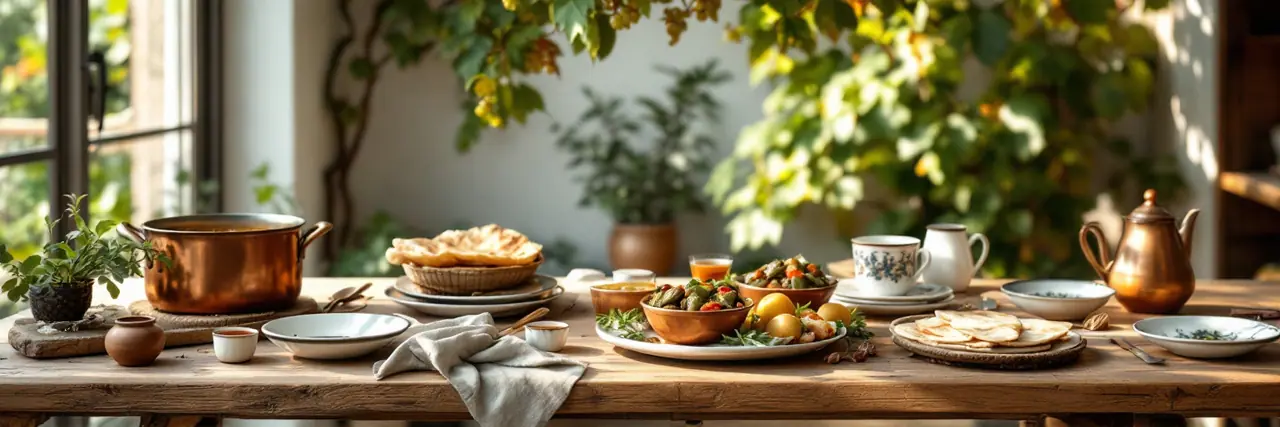

Red lentil soup: Turkish kırmızı mercimek çorbası with lemon

Kırmızı mercimek çorbası, red lentil soup, is the soup Turkish children grow up on. It is served in school canteens, in workers' restaurants at seven in the morning, in hospitals, in grand houses and in student flats. In my mother's kitchen in Kayseri a pot went on the stove most evenings from October to April, and I still make it at least once a week in Frankfurt. It costs very little, takes about 40 minutes, and needs nothing you cannot find in an ordinary supermarket.
The version below is the classic smooth one: lentils cooked with onion, carrot and a little paste until they collapse, blended until silky, then finished at the table with a spoon of butter that has sizzled with pul biber, and a squeeze of lemon. That last spoon of red butter is what makes people ask for the recipe.
The lentils
Use split red lentils, the small orange ones that turn yellow as they cook. They need no soaking and break down completely in about 25 minutes, which is exactly what you want here. Green or brown lentils hold their shape and make a different, earthier soup.
Do rinse them. Put the lentils in a sieve and run cold water through them, rubbing with your fingers, until the water runs nearly clear. This washes away the dust and some of the surface starch that otherwise rises as a thick foam and can catch on the bottom of the pot. While you rinse, look for small stones. They are rarer than they used to be, but I still find one now and then.
The vegetables and the paste
An onion is essential. A carrot adds sweetness and helps the colour. Many cooks add a small potato too, which makes the soup thicker and smoother, and is useful if you want to stretch the pot. I add one when I have one.
For the paste, you can use tomato paste, Turkish pepper paste or a little of both. Pepper paste gives a deeper, slightly smoky taste and a warmer orange. Fry it for a minute in the fat with the onions before the water goes in. Raw paste added to boiling water tastes sharp and flat.
Some families stir a spoon of flour into the butter before adding the water. It makes the soup a little silkier and stops it from separating when it stands. It is not necessary if you blend well, but I do it when I am making a big pot that will sit on the stove through the evening.
Water, stock and thickness
I use water most of the time. Chicken or vegetable stock makes a richer soup, but the lentils have plenty of flavour on their own, and water lets the butter and lemon stand out.
The proportion I start with is one cup of red lentils to six cups of liquid, about one to six by volume. Lentils vary, and they drink more liquid the longer they stand, so expect to adjust at the end. Here is the texture check I use: dip a spoon in the blended soup and lift it out. The soup should coat the back of the spoon in an even layer and run off slowly, like single cream. If it slides off at once and looks thin, simmer it uncovered for five to ten minutes. If it stays in thick blobs, whisk in hot water, half a cup at a time.
Reheated soup always needs more water, as it sets almost solid in the fridge.
The butter on top
This is the part I would never skip. Melt butter in a small pan until it foams, take it off the heat and stir in pul biber, the Turkish red pepper flakes. The butter turns a deep red within seconds. Some cooks add dried mint with the pepper; I add a pinch. Drizzle a spoonful over each bowl just before it goes to the table.
Take the pan off the heat before the pepper goes in. Pul biber burns quickly and turns bitter if the butter is too hot. If you see it darken to brown, start again; it only costs a spoon of butter.
Recipe
Kırmızı mercimek çorbası (Turkish red lentil soup)
About 2 litres, serves 6
- Prep
- 10 min
- Cook
- 35 min
- Total
- 45 min
Soup
- 1 cup190 g split red lentils, rinsed
- 2 tbsp30 g butter
- 1 tbsp15 ml olive or sunflower oil
- 1 medium1 medium onion, chopped
- 1 medium1 medium carrot, peeled and chopped
- 1 small1 small potato, peeled and diced (optional)
- 1 tbsp15 g tomato paste or Turkish pepper paste
- 1 tbsp8 g plain flour (optional)
- 6 cups1.4 litres hot water or light stock
- 1 1/2 tsp8 g salt, or to taste
- 1 tsp2 g ground cumin
- 1/2 tsp1 g freshly ground black pepper
To finish
- 2 tbsp30 g butter
- 1 tsp2 g pul biber (Turkish red pepper flakes)
- 1/2 tsp1 g dried mint
- 11 lemon, cut into wedges
Method
- Melt the butter with the oil in a large pot over a medium heat and cook the onion and carrot for 6 to 8 minutes, until the onion is soft and translucent.
- Stir in the paste, and the flour if using, and fry for 1 to 2 minutes until the paste darkens slightly and smells sweet.
- Add the rinsed lentils, the potato if using, and the hot water, stir well and bring to the boil.
- Skim off any foam, lower the heat, half cover the pot and simmer for 25 minutes, stirring now and then, until the lentils have collapsed and the carrot is very soft.
- Blend the soup until completely smooth with a stick blender, or in batches in a jug blender with the lid vented.
- Season with the salt, cumin and black pepper, then check the thickness: it should coat a spoon and run off slowly, so simmer to thicken or add hot water to thin.
- Just before serving, melt the butter for the topping in a small pan until it foams, take it off the heat and stir in the pul biber and mint.
- Ladle the soup into bowls, drizzle each with a spoon of the red butter and serve with lemon wedges for squeezing.
Cook's notes
- The soup thickens as it stands; reheat it with a splash of water and stir well.
- It keeps for four days in the fridge and freezes well for up to three months, without the butter topping.
Small changes that work
Once you have made the basic soup a few times, it is easy to adjust it to what is in the cupboard.
- Bulgur for body. Add 2 tablespoons of fine bulgur with the lentils. It thickens the soup and gives it a slightly rougher, more rustic texture after blending.
- A pinch of heat. Stir half a teaspoon of pul biber into the onions with the paste, as well as on top, for a soup with a gentle warmth all the way through.
- Unblended. Some families never blend it. Cook the lentils until they collapse, then whisk hard with a balloon whisk. The soup is less silky but has a homely texture I also like.
- Sour finish. Instead of lemon, stir a spoon of sumac into the red butter. It looks darker and tastes pleasantly sharp.
Feeding a crowd on a budget
This soup scales beautifully, which is one reason it turns up at every large gathering. For a family meal for twelve, or a pot for a week of lunches, double everything except the paste and the cumin, which I increase by half so they do not dominate. In numbers: 2 cups (380 g) of red lentils, 2 onions, 2 carrots, 1 1/2 tablespoons of paste, about 12 cups (2.8 litres) of water, and 1 1/2 teaspoons of cumin. Use the widest pot you have and allow 10 minutes longer for it to come to the boil. When I last added up the cost of a doubled pot, it came to less than one bowl of soup in a café.
Cook's questions
Why is my soup grainy?
The lentils were not cooked long enough before blending, or the blender did not run long enough. Red lentils should be completely broken down, with no shape left, before you blend. A stick blender needs a good two minutes moving around the pot.
Can I make it without butter?
Yes. Use olive oil for both the soup and the topping. The red oil looks just as good, though it tastes lighter.
How is this different from ezogelin?
Ezogelin is a heartier cousin, with bulgur and rice cooked into the lentils and plenty of dried mint, and it is usually not blended. We have a separate recipe for ezogelin soup if you want something more filling.
What do you serve with it?
Lemon wedges always, fresh bread, and sometimes a plate of mercimek köftesi, the lentil and bulgur patties, which use the same lentils in a different way. In winter I put out a bowl of pickles too. If you eat soup as often as we do, alternate this one during the week with a yogurt soup from our soups collection, so the pot never feels like a routine.
Filed under Soups

Nuray comes from Kayseri and now lives in Frankfurt. She writes about soups, beans, lentils and slow winter stews, with an eye on what a pantry can stretch to across a busy week.